
Helena, MT
Garage Door Service Built Around Helena's Housing and Winters
Helena's housing dates mostly to 1967-2003, and the cold climate hardens grease and shrinks seals. Here's why that combination breaks doors and what a repair call actually involves.
Why This Fails Locally
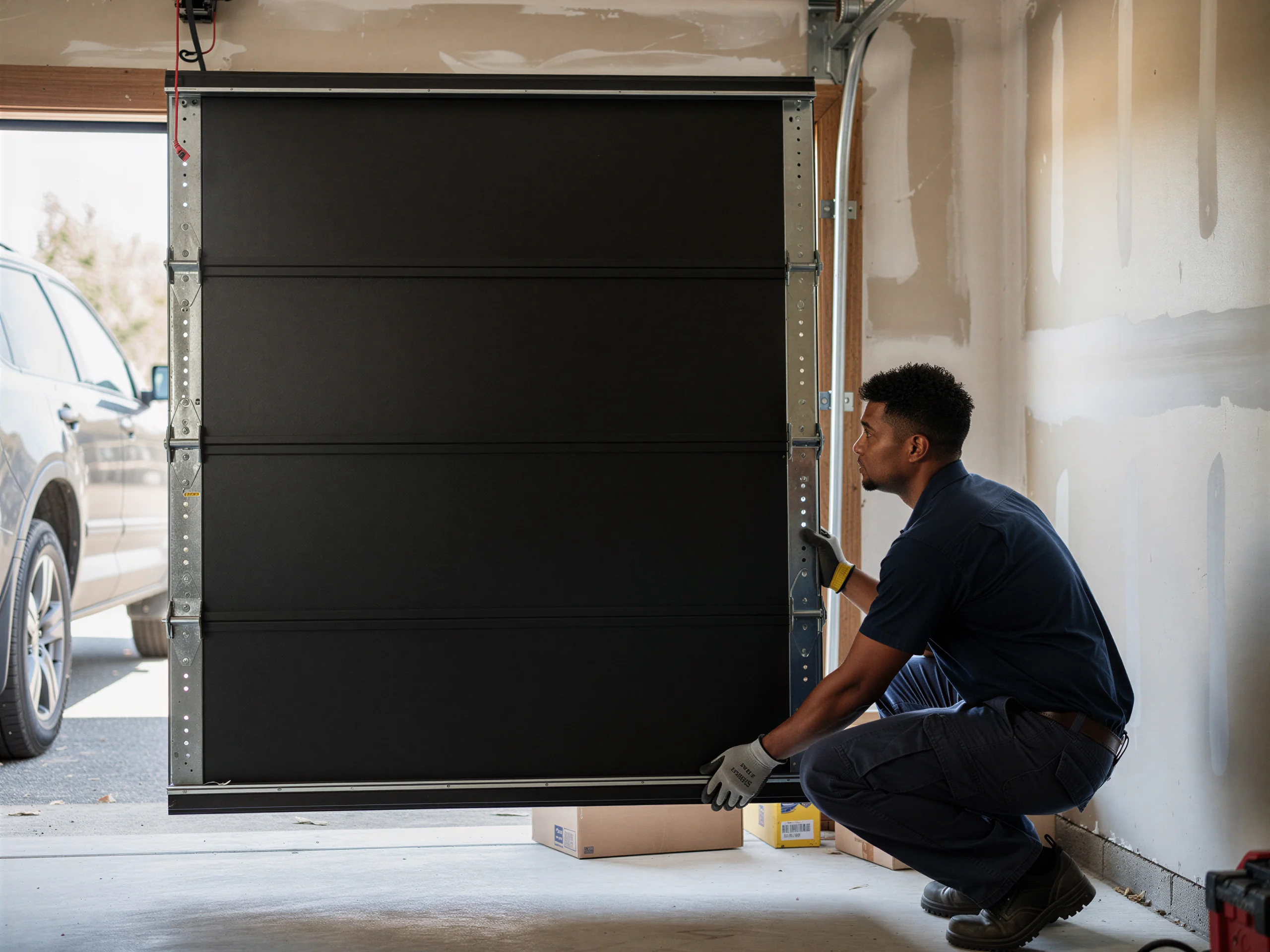
Most of the houses we get called to sit in neighborhoods built between 1967 and 2003, with the bulk going up in the 1980s and 90s across the seven areas we cover around Helena. That's a specific kind of housing stock: garages from that era almost all came with steel torsion-spring systems sized for the original door weight, and after thirty-plus years those springs are at or past the end of their rated cycle count even if nobody's touched them.
Pair that with Helena's cold severe climate band and you get a second failure mode stacked on top of the first. Grease in the springs and rollers thickens as temperatures drop, the steel in the torsion bar contracts, and a spring that was marginal in September snaps clean in a January cold snap. We see this pattern every winter: a door that worked fine in fall suddenly won't lift, and it's not age alone or cold alone doing the damage - it's a 1980s spring meeting a Helena winter.
Weatherstripping and bottom seals suffer the same way. Original vinyl seals from that build era go brittle in the cold and crack at the corners, letting wind-driven snow under the door. None of this is a defect in the house - it's just what thirty-to-fifty-year-old steel and rubber do in this climate.
Can You Do This Yourself
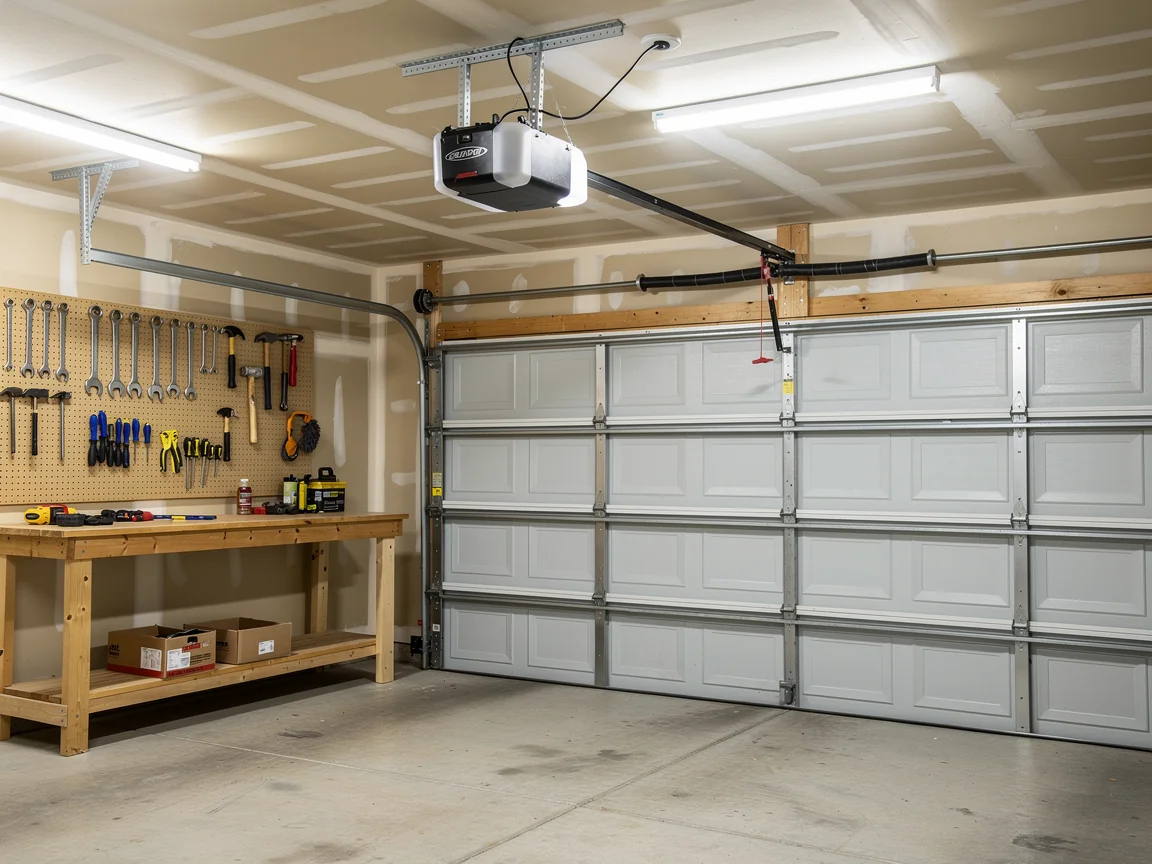
Swapping a bottom seal or tightening loose hinge bolts on a door from the 1980s-90s stock is reasonable DIY work if you've got the patience and the right seal size.
Seasonal grease upkeep
Lubricating rollers and hinges before winter is also something any owner can do with a few minutes and the right grease. Torsion springs are a different matter and we won't talk anyone into doing those themselves.
Winding bars slipping hazard
A spring under load that's wound for a steel door built in this era carries enough stored force to break a wrist or worse if the winding bars slip, and the tools for it aren't something most garages have lying around.
Coil gap means spring job
If your door won't open and you can see a gap or separation in the coil above the door, that's a spring job, not a weekend project. Opener adjustments - travel limits, force settings - are workable if you've got the manual, but on a door old enough to predate current safety-reversal standards, we'd rather look at it first than have you guess.
How It Shows Up
The most common call we get in cold months is a door that won't budge and makes a loud bang from the garage right before it quits - that's a torsion spring letting go, and it tracks almost exactly with the age of housing stock we described above.
Partial lift then reversing
Second most common: a door that lifts partway, strains, and reverses on its own, which usually means a spring has lost tension gradually rather than snapped, common in doors original to 1980s and 90s builds that have never had the spring replaced.
Stiff morning cycles, cracked seal
You'll also see cold-weather symptoms that aren't spring-related: a door that opens stiff and jerky for the first cycle of the morning as thickened grease works through the rollers, or a bottom seal that's visibly cracked and letting daylight through at the corners.
Track pulling from jamb
On older doors we sometimes find the track pulling away from the jamb where decades of freeze-thaw have worked screws loose in the framing. If your opener runs but the door doesn't move, that's almost always the spring or a broken cable, not the opener itself - worth knowing before you replace the wrong part.
What It Costs
We don't have a published price list here, and we'd rather not guess at a number that doesn't match your door. Cost on a spring job depends on whether it's one spring or a matched pair, the door's weight, and whether the drums or cables need replacing alongside it - all of which we check on site before quoting anything.
What we can tell you honestly: if your garage dates to the common 1980s-90s build era in this area and the spring has never been replaced, budget for the job rather than hoping it holds. A spring that's original to a house that age is already past typical service life, cold winters or not.
One limitation worth naming - if your door is old enough that parts are no longer stocked by any supplier, repair sometimes costs more than it's worth, and at that point replacement is the honest answer, not another patch.
Questions
Common questions
Why do garage door springs break more in winter here?
Cold hardens the grease inside the spring coils and makes the steel contract, adding stress to a spring that's already near the end of its life. In Helena's cold severe climate, that extra stress is often what pushes a thirty-year-old spring from marginal to broken, especially on doors from the common 1980s-90s build era.
Is it normal for my door to be stiff on cold mornings?
Yes, to a point. Thickened grease and contracted metal make the first cycle of the day slower and noisier on older rollers and hinges. If it loosens up after a cycle or two, that's normal cold-weather behavior. If it stays jerky or bangs, have the springs and rollers checked.
My house was built in the 1980s - is my door original?
A lot of houses in this area, built between 1967 and 2003 with most in the 1980s-90s range, still have original torsion springs and sometimes original doors. If nobody's mentioned a spring replacement in your home's history, it's worth having it checked before it fails on its own.
Can I replace a torsion spring myself?
We don't recommend it. A wound torsion spring holds enough force to cause serious injury if the winding bars slip, and the specialized bars aren't common household tools. Seals, hinges, and lubrication are fine DIY tasks; the spring itself is not.
Explore more
Explore More Services In Helena, MT
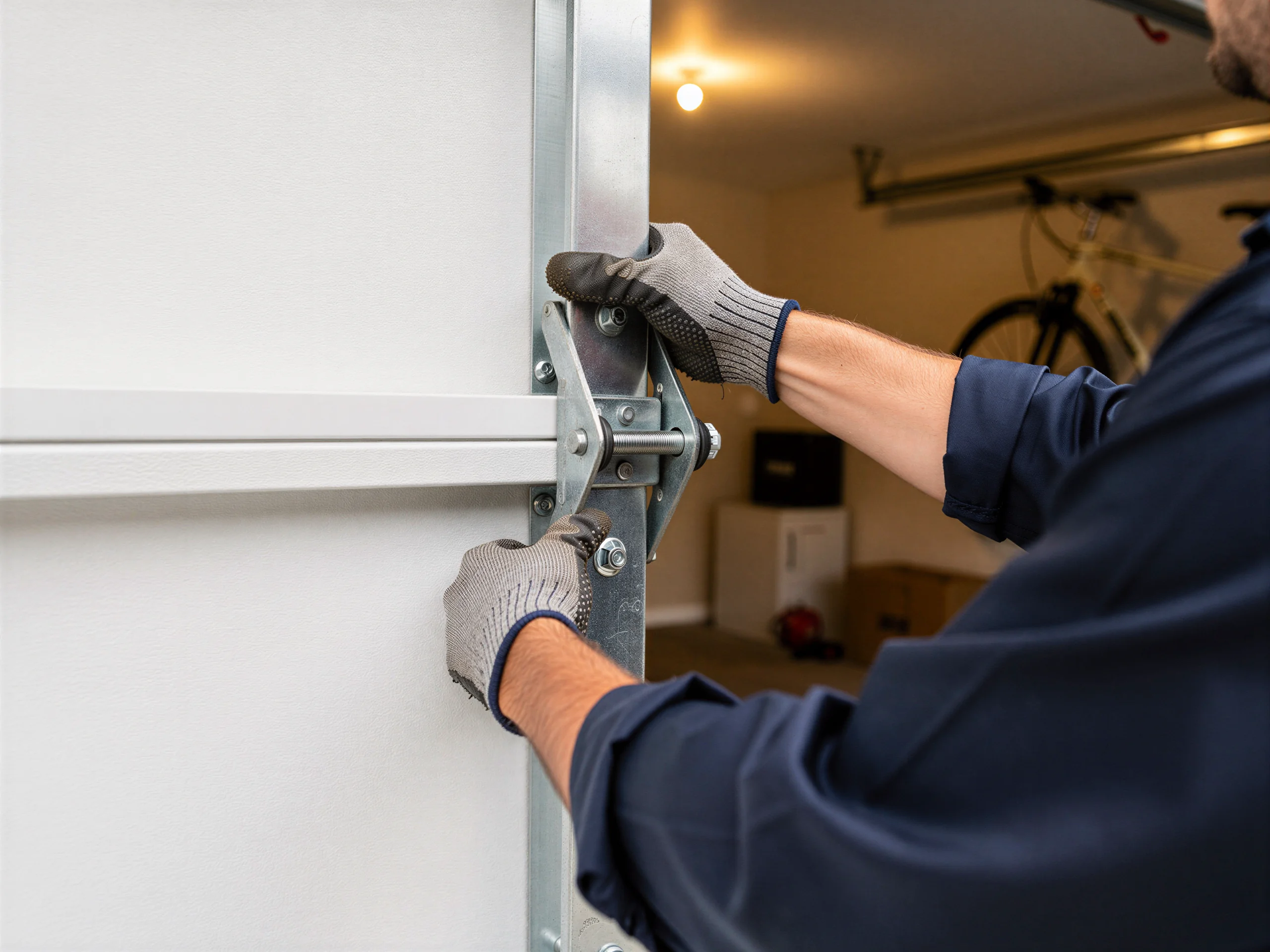
Garage Door Off Track: A Helena-Area Problem
Helena homes built mostly between 1967 and 2003 see off-track doors from frozen rollers and worn brackets. Learn more →
What Breaks First in a Helena Garage Door
Helena homes built between 1967 and 2003 face garage door wear from Montana's severe cold winters. Learn more →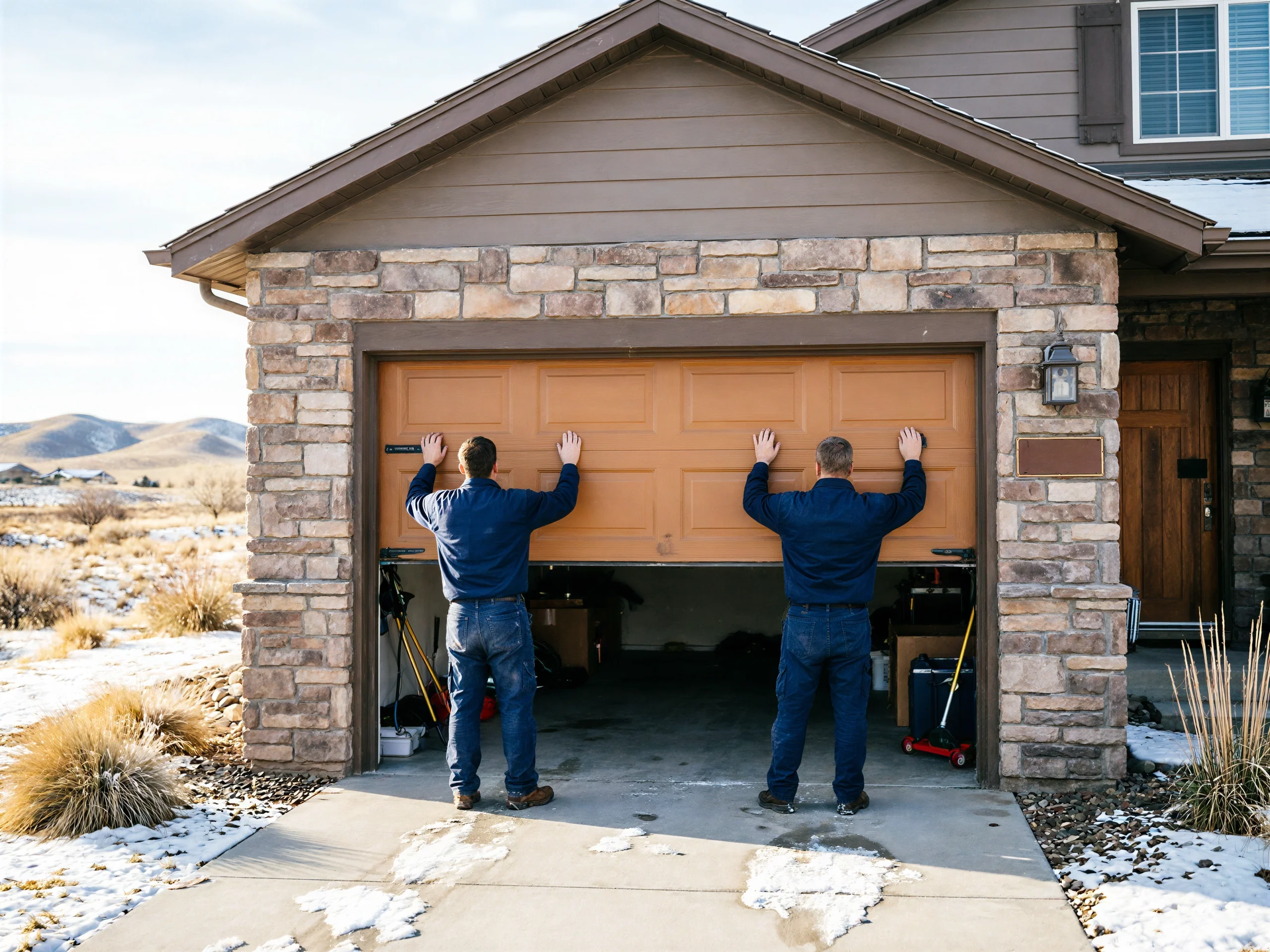
Garage Door Installation Built for Helena's Winters and Housing Stock
New garage door installation for Helena homes built 1967-2003, sized for severe cold winters. Learn more →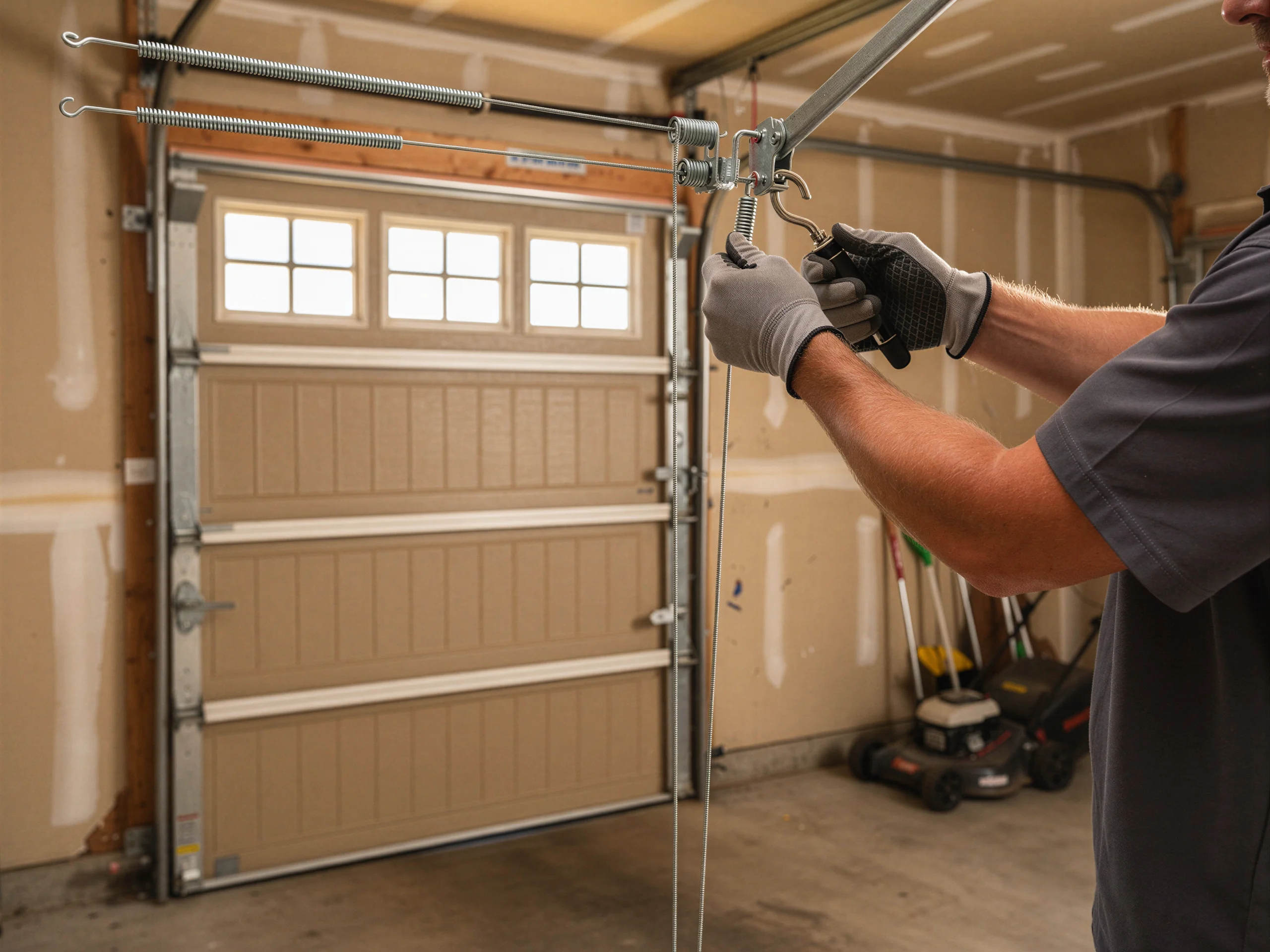
Spring Repair for Helena's 1980s-Era Garage Doors
Torsion and extension spring repair for Helena-area homes built mostly 1967-2003, where cold-climate stress cracks springs faster than milder regions. Learn more →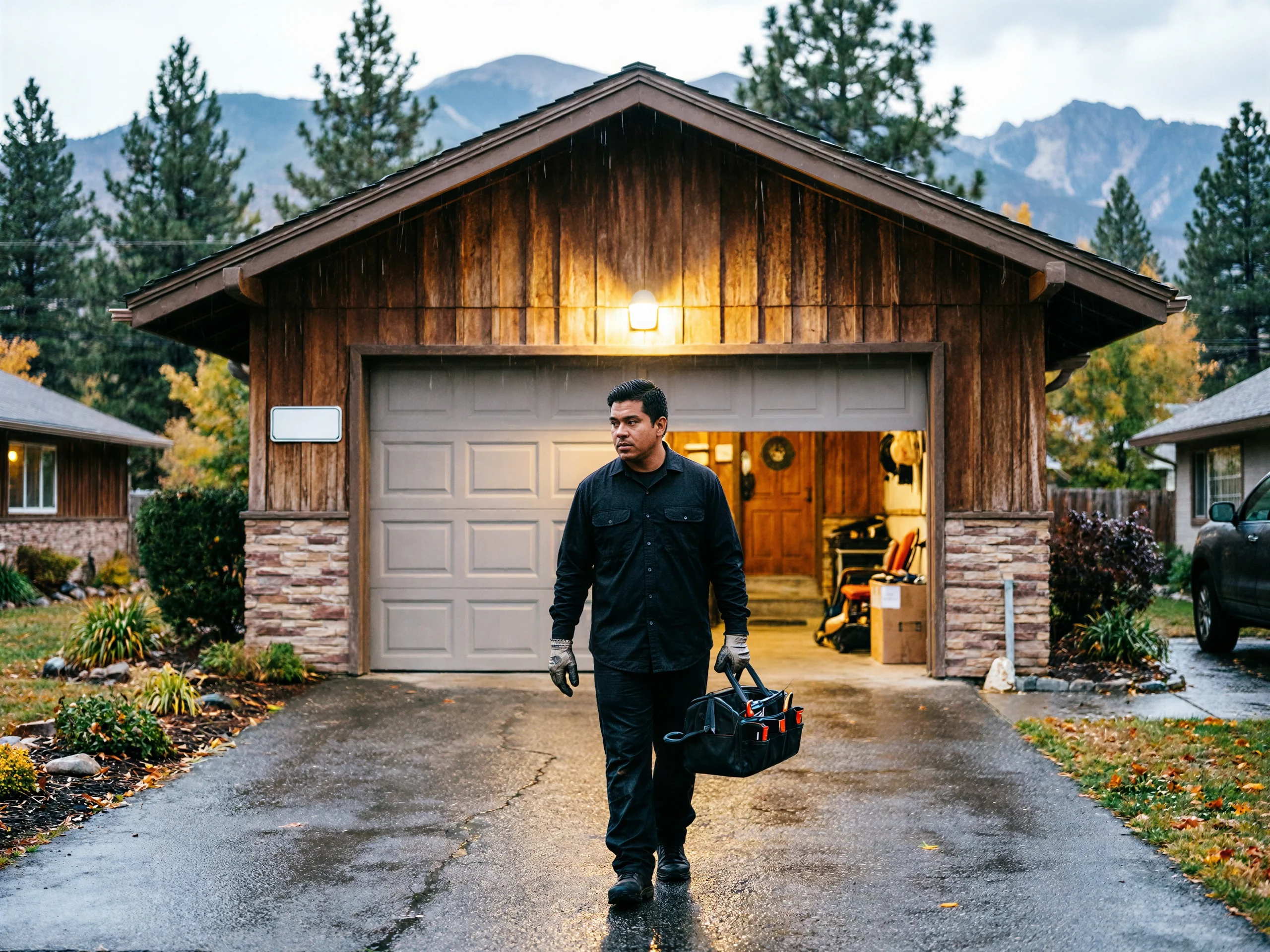
Emergency Garage Door Repair for Helena Homes
Broken spring or stuck door in Helena's cold snaps? Learn more →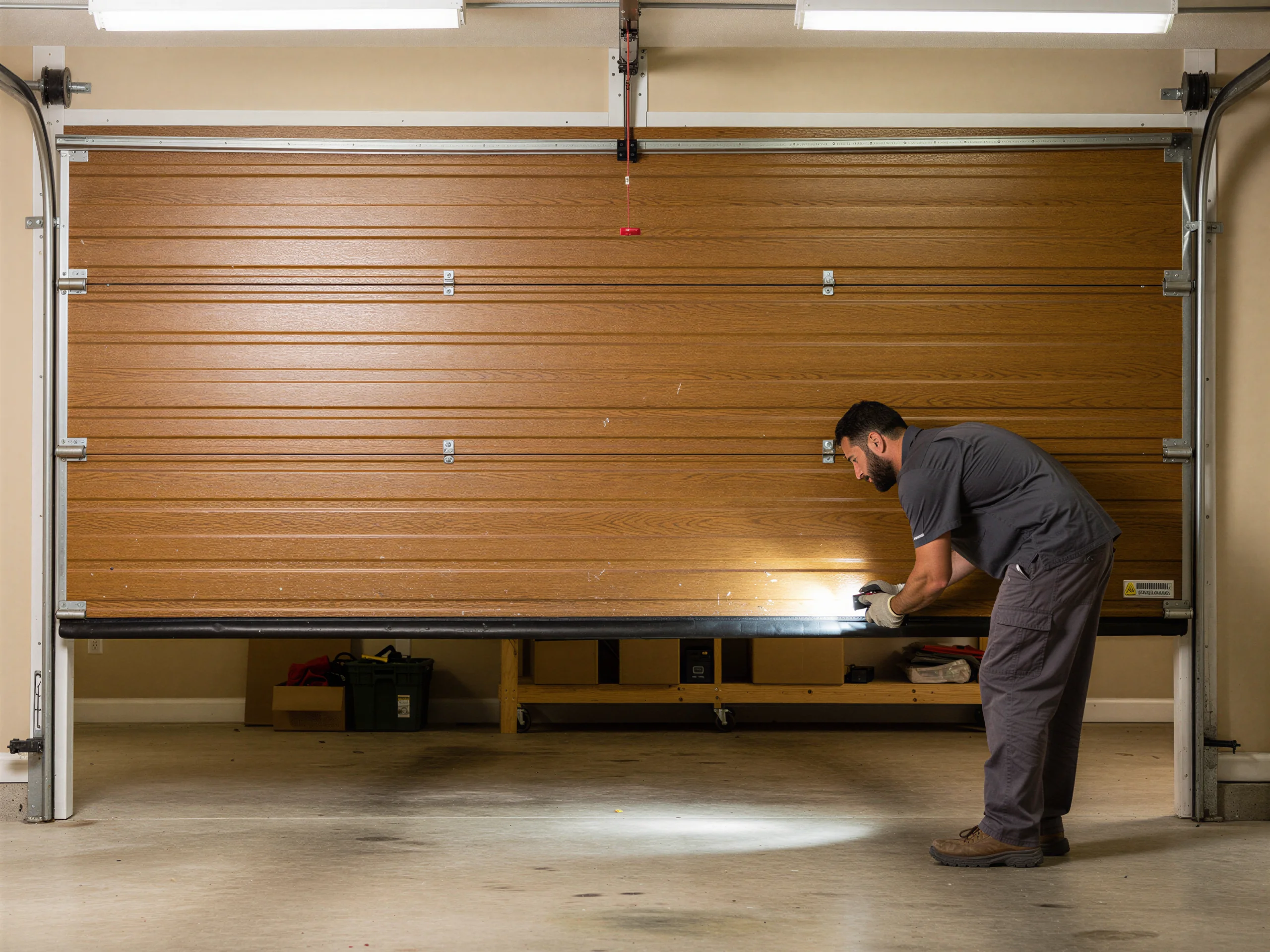
Garage Door Repair for Helena's 1980s-Era Homes
Garage door repair for Helena homes built 1967-2003, where cold-climate hardware and aging openers fail the same way across the valley's older subdivisions. Learn more →Ready when you are
Need a garage door sorted in Helena?
Helena Garage Door Pros repairs and installs garage doors, springs and openers in Helena, MT and the surrounding area.